

Introduction
Chapter 7 bankruptcy typically lasts 4-6 months from filing to discharge, making it the fastest form of consumer bankruptcy available. Unlike Chapter 13 bankruptcy, which requires a 3-5 year repayment plan, liquidation bankruptcy allows eligible debtors to eliminate qualifying debts in a matter of months rather than years.
The Chapter 7 timeline and process are governed by bankruptcy law, which sets the requirements and deadlines for each phase.
The bankruptcy process moves through specific phases with established deadlines, from the initial bankruptcy filing through the final discharge order. Understanding these timeframes helps you plan effectively and avoid unnecessary delays that could extend your case.
What This Guide Covers
This guide provides a complete month-by-month breakdown of the Chapter 7 timeline, specific deadlines for each phase, and factors that can accelerate or delay your bankruptcy case. We’ll also compare Chapter 7 duration with Chapter 13 timing to help you understand why liquidation bankruptcy moves faster.
Who This Is For
This guide is designed for individuals considering Chapter 7 bankruptcy, recent filers seeking timeline clarity, and those comparing bankruptcy options. Whether you’re struggling with overwhelming debt from credit card balances and medical bills or you’ve already filed your bankruptcy petition, you’ll find actionable timeline expectations.
Why This Matters
Understanding the Chapter 7 timeline helps you prepare for each phase, complete required tasks on schedule, and maintain realistic expectations throughout the legal process. Proper timeline awareness can prevent delays that extend your case and help you move toward your fresh financial start more efficiently.
What You’ll Learn:
Exact timeframes for each bankruptcy phase from filing to discharge
Specific deadlines and requirements to avoid case delays
How Chapter 7 duration compares to Chapter 13 repayment plans
Common factors that extend timelines and how to prevent them
Understanding Chapter 7 Bankruptcy Duration
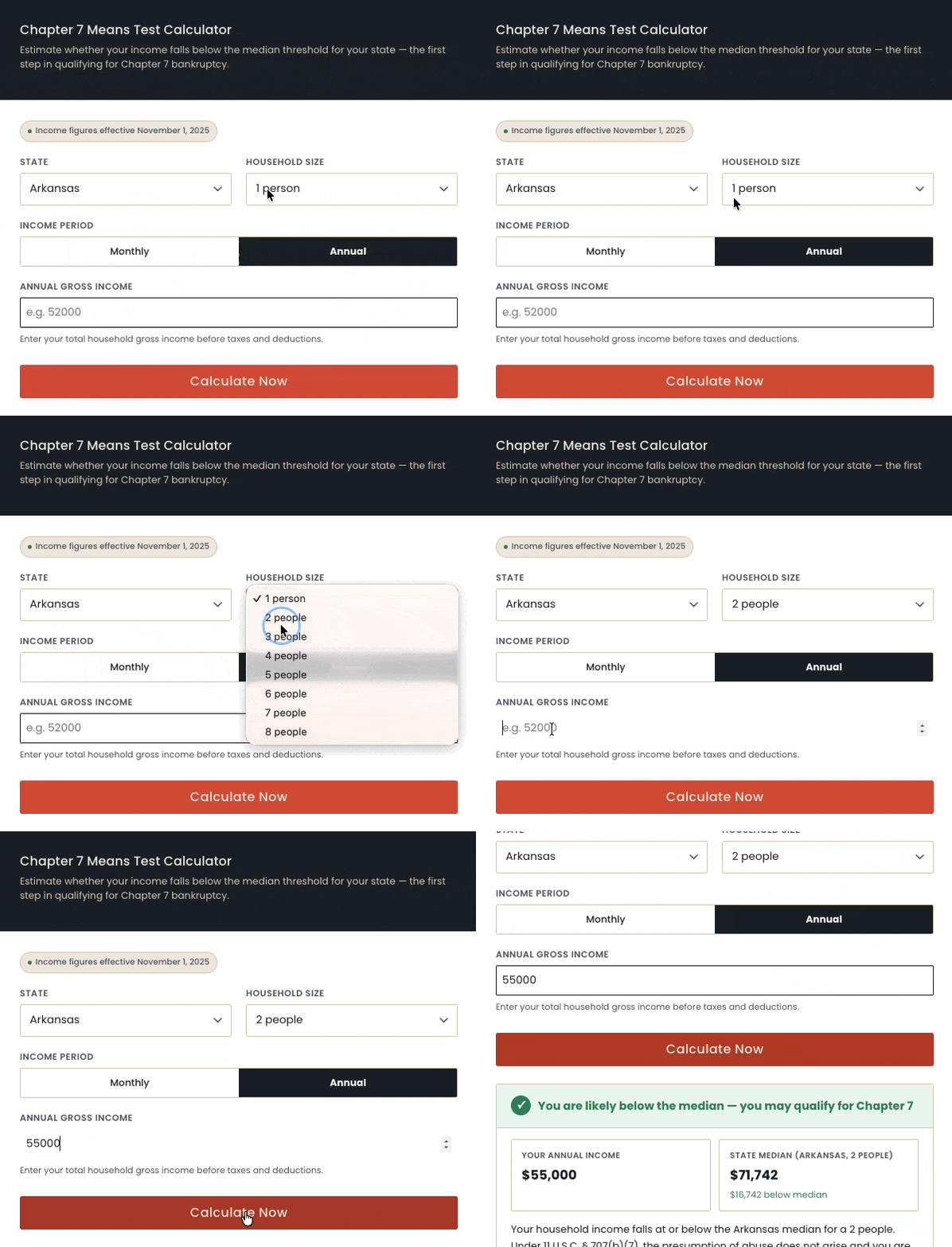
Chapter 7 bankruptcy is a liquidation bankruptcy designed to eliminate unsecured debts within 4-6 months through court-supervised asset review and debt discharge. Eligibility for Chapter 7 is determined in part by the debtor’s income, which is compared to the state median through the bankruptcy means test. The bankruptcy trustee reviews your financial records, sells any nonexempt assets, and distributes funds to unsecured creditors before the bankruptcy court issues your discharge order.
This timeline represents the active legal process from your filing date through debt discharge. However, bankruptcy remains on your credit report for 10 years, creating a longer-term impact on your creditworthiness that extends well beyond case closure.
Discharge vs. Case Closure Timeline
The bankruptcy discharge typically occurs 60-90 days after your 341 meeting, usually around month 3-4 of your bankruptcy case. Your discharged debts are legally eliminated at this point, and collection efforts must cease.
Case closure happens about 30 days after discharge or months later if there are pending issues. The discharge date marks when your debts are eliminated, but various factors—such as asset sales, legal complications, or trustee objections—can delay case closure even after this date. Some bankruptcy cases remain open after discharge to complete asset sales, resolve adversary proceedings, or address trustee objections. The discharge provides debt relief even if administrative tasks keep the case technically open.
Chapter 7 vs. Chapter 13 Duration
Chapter 7 liquidation bankruptcy concludes within 4-6 months because debtors surrender nonexempt property in exchange for immediate debt elimination. Chapter 13 bankruptcy requires a 3-5 year wage earner’s plan with monthly payments to creditors.
The liquidation model enables faster completion since there’s no extended repayment period. In Chapter 7, secured debts—such as car loans or mortgages—are treated differently from unsecured debts; creditors may repossess collateral if payments are not maintained, but some assets may be protected through exemptions. Once the bankruptcy trustee reviews your assets and the court confirms no valid objections exist, your qualifying debts receive immediate discharge rather than gradual payment over years.
Transition: Understanding these foundational concepts helps explain why specific phases of Chapter 7 follow predictable timeframes.
The Standard Chapter 7 Timeline
The typical Chapter 7 bankruptcy case progresses through three main phases: pre-filing preparation, the active court process from filing through the 341 meeting, and the final waiting period before discharge.
Each phase has specific requirements and deadlines established by the bankruptcy code. Meeting these deadlines keeps your case moving efficiently toward discharge, while delays can extend the timeline significantly.
Pre-Filing Phase (Days to Weeks)
Your bankruptcy timeline begins before filing with mandatory credit counseling course completion through an approved credit counseling agency. This 1-2 hour course must be completed within 180 days before your bankruptcy filing.
Document gathering and bankruptcy forms preparation can take a few weeks, depending on your individual circumstances, such as the complexity of your financial situation and how organized your financial records are. Working with an experienced bankruptcy attorney streamlines this preparation phase.
Attorney consultation and case preparation timing depends on the accuracy of your documents and how complicated your case is. Simple cases with standard credit card debt and personal loans move faster than complex situations involving business debts or valuable nonexempt property.
Filing to 341 Meeting (30-45 Days)
The bankruptcy stay activates immediately upon filing your bankruptcy petition, stopping collection efforts and providing immediate bankruptcy protection. The bankruptcy court appoints a trustee to your case within days of filing.
Your 341 meeting (meeting of creditors) gets scheduled approximately 30 days after filing. During this period, the trustee reviews your bankruptcy forms and may request additional bank statements or financial documentation.
You can complete the required second financial management course during this period or in the post-341 period, though completing it early prevents potential delays in receiving your discharge.
Post-341 Meeting to Discharge (60-90 Days)
After your 341 meeting, a 60-day objection period begins during which creditors and the trustee can file objections to your discharge. During this time, creditors or the trustee may file a complaint objecting to the discharge of certain debts, formally challenging your right to have those debts eliminated. Key deadlines include 30 days for trustee property objections and 45 days for secured debt decisions.
If no valid objections are filed and you’ve completed all requirements, the bankruptcy judge issues your discharge order typically 60-90 days after the 341 meeting. This eliminates your discharged debts and concludes the active bankruptcy process.
Transition: Breaking down these phases month-by-month provides clearer expectations for your specific situation.
Bankruptcy Stay and Its Effects
One of the most badass shields you’ll get when you file bankruptcy? The automatic bankruptcy stay. The second you drop that bankruptcy petition and pay your filing fee, boom—the bankruptcy court slams down a court order that tells your creditors to back the hell off. This automatic stay is like your personal bodyguard in both Chapter 7 bankruptcy and other types of personal bankruptcy, giving you crucial bankruptcy protection from minute one of your case.
How the Bankruptcy Stay Works
Think of the bankruptcy stay as your legal fortress wall. It stops creditors dead in their tracks—no more harassing phone calls, threatening letters, lawsuits, wage garnishments, bank levies, or even foreclosure proceedings. This protection covers a sh*t-ton of debts: credit card debt, medical bills, personal loans, and other unsecured debts. If you’re drowning in overwhelming debt, this stay is like throwing you a life preserver. Finally, you can breathe and focus on the bankruptcy procedure and getting your financial life back on track.
Impact on Creditors and Debts
Now, don’t get me wrong—the bankruptcy stay is powerful, but it’s not bulletproof. Secured creditors (those folks holding collateral like your car loan or mortgage) can ask the bankruptcy court to lift the stay if you’re behind on payments or their interests are getting screwed. But unsecured creditors? Credit card companies and medical providers? They’re basically told to sit in the corner and shut up for the entire duration of your bankruptcy case. If they violate this stay, they can get smacked with penalties, fines, and damages. We love to see it.
Benefits for Debtors
The stay doesn’t just kill those annoying collection calls and lawsuits—it freezes wage garnishments and stops new judgments from trashing your credit report even more. This breathing room is everything when you need to complete required steps like that credit counseling course through an approved credit counseling agency, dig up your financial records, and team up with a bankruptcy attorney to fill out all those bankruptcy forms. The stay sticks around until you get your bankruptcy discharge or your case gets tossed, giving you the time and space to navigate this legal process that’s designed for actual debt relief.
Navigating the Stay with Legal Guidance
Here’s the deal: the bankruptcy stay is complex as hell, and you need someone who knows what they’re doing. Working with an experienced bankruptcy lawyer or law firm isn’t just recommended—it’s smart as sh*t. An experienced bankruptcy attorney will help you understand your rights, make sure creditors actually follow the court order (because some will try to pull fast ones), and handle any attempts to mess with your stay. They’ll guide you through the entire bankruptcy process, from filing date to discharge order, helping you dodge unnecessary delays and squeeze every drop of debt relief you can get.
Key Takeaways
The bankruptcy stay is an automatic court order that tells most creditors to back off the second you file bankruptcy.
It protects you from collection efforts on unsecured debts like credit card balances, medical bills, and personal loans.
Secured creditors might try to get court permission to resume collection, but most unsecured creditors have to wait until your bankruptcy case wraps up.
When creditors violate the stay, there are real legal consequences waiting for them.
Working with an experienced bankruptcy attorney means you’ll actually benefit from the stay and avoid getting tangled up during your bankruptcy case.
Understanding the bankruptcy stay and how it works isn’t just nice to know—it’s essential if you’re thinking about Chapter 7 bankruptcy or any form of personal bankruptcy. This legal protection is your first real step toward crushing your debt and rebuilding your financial future on your own terms.
Step-by-Step Timeline Breakdown
The bankruptcy procedure follows a structured sequence with specific deadlines and requirements at each stage. Understanding these details helps you prepare for what comes next and avoid delays.
Month 1: Filing and Initial Procedures
Day 0: Your bankruptcy case officially begins when you file your bankruptcy petition with the bankruptcy court and pay the filing fee. The automatic bankruptcy stay takes effect immediately, stopping wage garnishments, foreclosures, and creditor harassment.
Week 1-2: The court appoints a bankruptcy trustee to begin reviewing assets and your financial situation to determine if there are any nonexempt assets to liquidate. The trustee may request additional bank statements, tax returns, or other financial records to verify information in your bankruptcy forms.
Week 3-4: Your 341 meeting gets scheduled for approximately 30 days after filing. You’ll receive notice of the meeting date and location, typically at a federal building or bankruptcy court facility.
Month 2: The 341 Meeting Period
341 Meeting: This required meeting with your bankruptcy trustee typically lasts 5-10 minutes for straightforward cases. The trustee asks questions about your financial records, assets, and debts under oath. Creditors may attend but rarely do in consumer cases.
Asset Review: The trustee evaluates whether you have nonexempt assets worth liquidating. In most consumer Chapter 7 cases, debtors have no nonexempt property, making these “no asset” cases that move faster through the system.
Objection Period Begins: The 60-day period for creditors to file objections to your discharge starts after the 341 meeting. During this time, creditors can challenge specific debts or claim they shouldn’t be discharged. During this period, the trustee files any necessary reports or objections with the court.
Months 3-4: Waiting Period and Discharge
60-Day Monitoring: Most cases proceed without objections during this waiting period. Your bankruptcy attorney monitors for any unusual creditor activity or trustee requests while the objection period runs.
Final Requirements: If you haven’t completed your debtor education course, this is your final opportunity. The discharge cannot be issued until both required courses are completed and certificates filed with the court.
Discharge Order: Assuming no objections and completion of all requirements, the bankruptcy court issues your discharge order, typically around month 3-4. This legally eliminates your debts discharged under Chapter 7 and concludes the active bankruptcy process.
Timeline Comparison Table
Phase | Chapter 7 | Chapter 13 | Simple Chapter 7 | Complex Chapter 7 |
|---|---|---|---|---|
Filing to 341 Meeting | 30-45 days | 30-45 days | 30 days | 45 days |
341 to Discharge | 60-90 days | N/A (Plan Confirmation) | 60 days | 90+ days |
Total Active Process | 4-6 months | 3-5 years | 4 months | 6+ months |
Case Closure | 4-8 months | After Plan Completion | 4-5 months | 6-18 months |
Phase
Chapter 7
Chapter 13
Simple Chapter 7
Complex Chapter 7
Filing to 341 Meeting
30-45 days
30-45 days
30 days
45 days
341 to Discharge
60-90 days
N/A (Plan Confirmation)
60 days
90+ days
Total Active Process
4-6 months
3-5 years
4 months
6+ months
Case Closure
4-8 months
After Plan Completion
4-5 months
6-18 months
Asset cases with valuable nonexempt property can extend case closure significantly while the trustee liquidates assets, though discharge still occurs within the standard timeframe. In these asset cases, the trustee must file a final report detailing asset distribution and creditor claim resolution. Once the final report is reviewed and approved, the court issues a final decree to officially close the bankruptcy case.
Transition: While most Chapter 7 cases follow this standard timeline, several factors can create delays.
Common Delays and How Long They Add
Understanding potential delays helps you avoid timeline extensions that could keep your bankruptcy case open longer than necessary.
Missing Required Courses
Delay Impact: Credit counseling or debtor education course delays can prevent discharge indefinitely until completed. Missing deadlines typically adds 30-60 days to complete missed requirements.
Solution: Complete your credit counseling course before filing and your financial management course within 60 days after the 341 meeting. Update your bankruptcy attorney or case team if you’re unable to complete courses on time to discuss extensions.
Creditor or Trustee Objections
Delay Impact: Discharge objections can add 3-6 months for resolution through adversary proceedings or negotiations. Complex objections involving fraud allegations may extend cases 12+ months.
Solution: Provide complete and accurate information on all bankruptcy forms. Work with an experienced bankruptcy lawyer who can identify potential objection issues before filing and address them proactively.
Incomplete Documentation
Delay Impact: Missing bank statements, tax returns, or other requested financial records can delay your 341 meeting by 30-45 days. Multiple trustee requests for additional documentation can push discharge back 2-3 months.
Solution: Gather all required financial records before filing and respond promptly to any trustee requests. Maintain organized records for the two years preceding your bankruptcy filing to expedite trustee review.
Complex Asset Cases
Delay Impact: Cases involving business debts, valuable nonexempt property, or pending litigation can extend case closure 6-18 months while the trustee completes asset sales. Adversary proceedings or complex disputes may add 12+ months to final case closure.
Solution: Work with experienced bankruptcy attorneys who can evaluate your assets pre-filing and structure your case to minimize complications. Consider whether Chapter 13 might be more appropriate for complex financial situations.
Transition: These delay factors underscore the importance of proper preparation and professional guidance throughout the bankruptcy process.
Conclusion and Timeline Expectations
Chapter 7 bankruptcy provides a relatively fast path to debt relief, with most straightforward cases completing discharge within 4-6 months of filing. The liquidation bankruptcy model eliminates qualifying debts much faster than Chapter 13 repayment plans, making it an attractive option for debtors seeking immediate relief from overwhelming debt.
Your individual timeline depends on case complexity, asset situation, and compliance with bankruptcy requirements. Simple no-asset cases with standard consumer debts typically conclude closer to the 4-month mark, while complex cases involving valuable property or creditor disputes may extend to 6 months or longer.
To stay on track:
Complete credit counseling before filing and financial management courses promptly after the 341 meeting
Respond quickly to all bankruptcy trustee requests for additional documentation or information
Work with an experienced bankruptcy attorney who understands local court procedures and timing
Next steps: Schedule a consultation with qualified bankruptcy lawyers in your area, begin gathering required financial records, and complete your mandatory credit counseling course through an approved agency.
Related Topics: Consider exploring life after bankruptcy discharge, credit rebuilding strategies, and circumstances where Chapter 13 bankruptcy might provide better long-term solutions than liquidation bankruptcy.