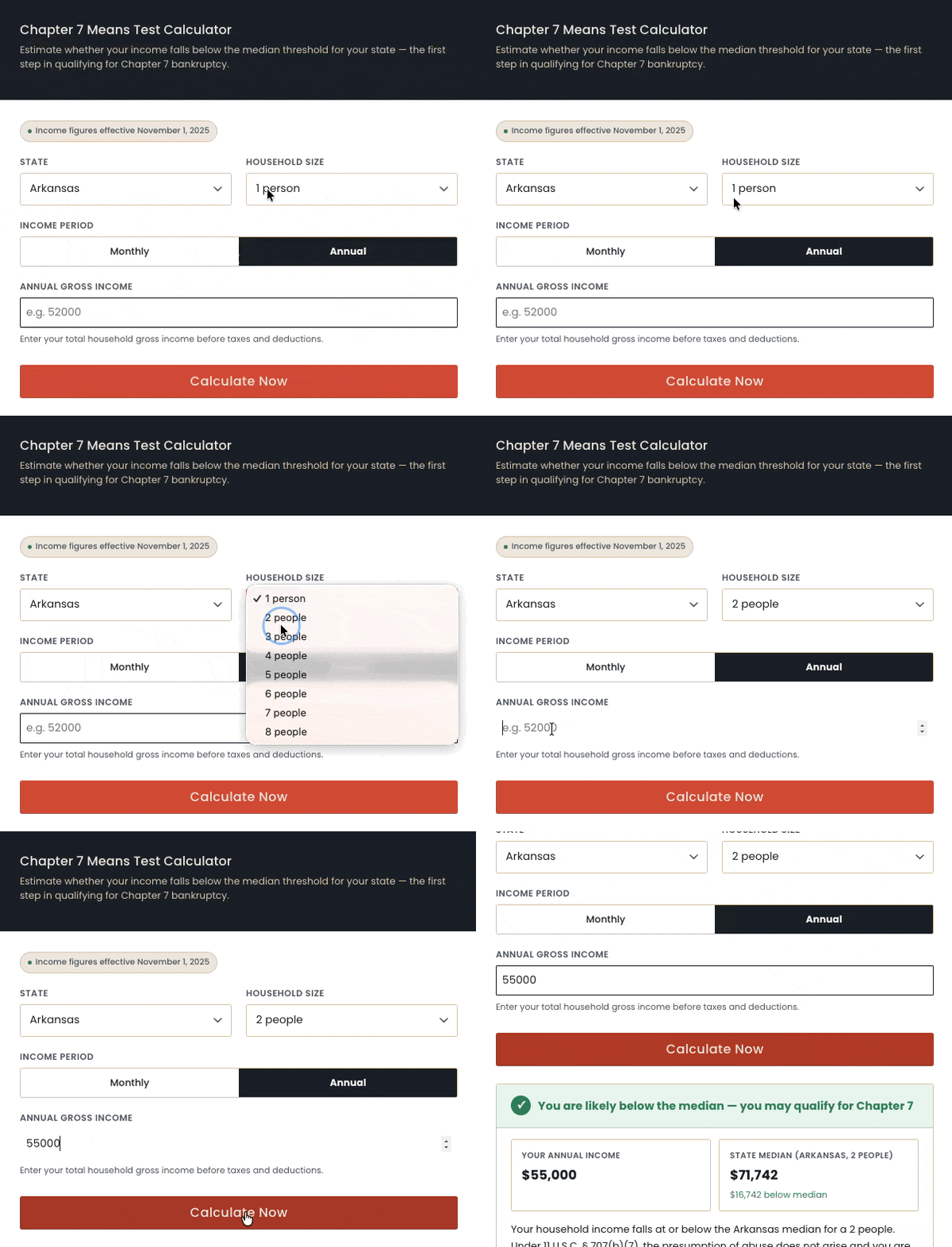
 You missed a car payment, and now the lender won’t stop calling and threatening to repossess your car if it isn’t completely caught up. Now you’re wondering what options you have if you can’t afford the full amount the lender is demanding. Late payments can put you in default under your vehicle loan, and that default is usually what gives the lender the right to start repossession. If you live in Arkansas and are facing car repossession, a deficiency balance, or trouble keeping up with your car loan payments, whether as an individual or a small business owner, you’re probably wondering how repossession and bankruptcy work together, and whether bankruptcy can actually help you keep the vehicle you rely on.
The short answer is yes. Filing bankruptcy in Arkansas can stop a car repossession right away through the automatic stay, and in many cases it can help you get your car back if it has already been repossessed but not yet sold. If you are facing this situation, the sooner you understand your options, the better your chance of protecting the car, dealing with the debt tied to it, and avoiding extra damage from a sale and any leftover balance. We’ll explain how this works, the difference between Chapter 7 and Chapter 13 for car loans, when reaffirmation, redemption, or a cram-down may help, what voluntary repossession means, how your loan terms affect your options, and what happens to any debt left after the car is sold.
For more on how bankruptcy can protect your assets, see the Federal Trade Commission’s guide on Vehicle Repossession and Bankruptcy for up-to-date information and practical advice.
The Automatic Stay Stops Vehicle Repossession Right Away
The moment you file for bankruptcy, whether Chapter 7 or Chapter 13, the bankruptcy court issues an automatic stay. This is a federal order that stops most creditor actions, including:
- Active repossession attempts
- Repossession already in progress (the repo agent must stop)
- Sale of vehicle at auction after repossession
- Deficiency judgments after repossession
If your lender has planned to repossess your car but hasn’t done it yet, filing bankruptcy before they act will legally stop them. But if you fail to make required payments while your case is pending, the lender or bank can ask the court to lift the automatic stay so they can try to collect again or repossess your car.
Learn more about the automatic stay and your rights from the United States Courts’ Bankruptcy Basics.
What If Your Car Has Already Been Repossessed?
Timing is very important here. If your car was repossessed before you filed bankruptcy, you might still get it back, but only for a short time.
After your car is repossessed, lenders usually must give you notice before they sell the vehicle. The car is the collateral for your loan, and the lender holds a security interest in it until the loan is paid off. If the sale price is less than the balance owed, you may still have liability for the remaining balance and related fees after the sale. If you file bankruptcy before the lender sells the car, the automatic stay stops the sale and the lender may have to return your car. But if you miss payments again, the lender can ask the court to lift the stay.
When your car is repossessed, a tow truck usually takes it away, but as the owner you still have a right to obtain your personal property from the car. Arkansas law says the lender can repossess without notice, but they can’t breach the peace, use physical force, or take the car from a closed garage or private property without permission.
Important: Once the car is sold at auction, bankruptcy can’t undo the sale. Act quickly.

The Federal Trade Commission offers guidance on Vehicle Repossession and your rights after repossession.
Chapter 7 vs. Chapter 13: Which One Really Saves Your Car?
Chapter 7: Short-Term Help
Filing Chapter 7 stops repossession temporarily. To keep your car in Chapter 7, you usually need to:
- Reaffirm the debt: Sign an agreement promising to keep paying the loan. This can make sense if the monthly payment still fits your budget, keeps your credit history cleaner, and shows the bank you will pay.
- Redeem the vehicle: Pay the lender the current value of the car in one lump sum. The cost of coming up with that money at once is often too much for most people.
- Surrender the car: Give the car back and discharge any leftover debt.
If you’re far behind on payments, Chapter 7 may not save your car unless you can catch up on the full amount due or deal with the entire remaining debt.
Chapter 13: The Real Car Saver
Chapter 13 is better if you want to keep your car and need time to catch up on payments with a plan your income can realistically support. It lets you:
- Pay missed payments over 3 to 5 years through a court-approved plan that also accounts for the financing terms on the car.
- Possibly cram down your loan if you’ve had the car for more than 910 days (about 2.5 years), you may reduce your loan balance to the car’s current value and lower the interest rate.
- Stop repossession right away and keep your car during the whole payment plan.

What Is a Car Loan Cram Down, and Do You Qualify?
A “cram down” reduces your car loan to the vehicle’s actual value in Chapter 13. To qualify:
- Your loan must be older than 910 days before you file bankruptcy.
- The car must be for personal use, not business.
- The court sets a new interest rate, usually around 10%.
If your loan is underwater and your car is older, this can be a helpful tool.
For example, if you owe $18,000 but your car is worth $12,000, Chapter 13 may let you pay just $12,000, saving you $6,000, as long as you keep up with payments.
What About Voluntary Repossession? Does It Help?
Some people give up their car voluntarily, thinking it will protect their credit or reduce debt, even though many lenders may offer other options first. Usually, it doesn’t. In some cases, lenders may offer grace periods or let you request a temporary change before repossession. Voluntary repossession still hurts your credit, and you are responsible for any leftover debt after the car sells. The lender can still collect the deficiency.
Before you voluntarily surrender your car, talk to a bankruptcy attorney. Filing bankruptcy before giving up your car can erase deficiency balances, something voluntary repossession alone can’t do.

Deficiency Balances and Bankruptcy
If your repossessed car sells for less than you owe, you have a deficiency balance. The lender can sue you for the amount still owed after the sale and related charges. Deficiency balances can be thousands of dollars.
Lenders must notify you before selling your car. You can request an account of the sale, past due amounts, and related charges. In Arkansas, lenders can sue for the deficiency.
Bankruptcy can wipe out deficiency balances like other unsecured debts. If your car is gone and you face a deficiency judgment, bankruptcy might still help.
Act Fast; Timing Is Very Important
Here’s when bankruptcy can help:
- Car not yet repossessed → file bankruptcy and the automatic stay stops repossession. In Arkansas, lenders can repossess without court orders but must avoid breaching the peace. Any physical force can be a breach, and they can’t take cars from closed garages without permission.
- Car repossessed but not sold → file quickly and you might get your car back.
- Car sold at auction → bankruptcy can’t get your car back but can erase deficiency debts.
If your car has been taken, contact a lawyer fast and report possible repossession misconduct. Also, remember to get your personal belongings from the repossessed vehicle, you still have the right to obtain them, and they don’t belong to the lender.
Keep in mind, repossession and missed payments affect your credit reports and damage your credit history. Bankruptcy can help fix this, but understanding your credit is important.
If you’re behind on payments or have received notices, don’t wait! A bankruptcy filing may be a time-sensitive option.
Schedule a free consultation with WH Law
*This article is for general education and not legal advice. Arkansas laws and bankruptcy rules can change. Talk to a licensed Arkansas bankruptcy attorney for advice for your situation